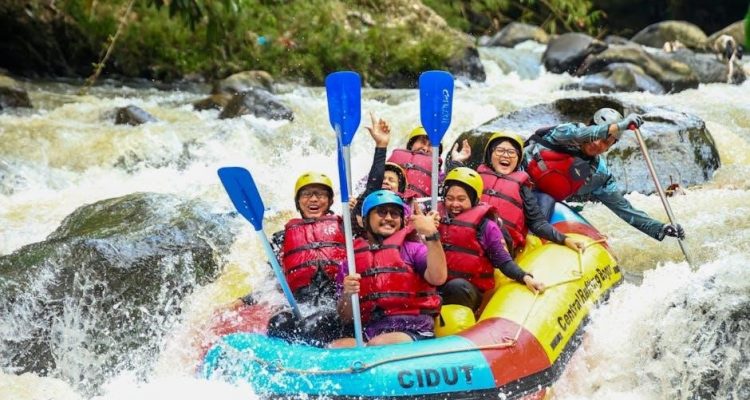
Whitewater rafting presents an exhilarating adventure, navigating river rapids with specialized equipment and skilled guides for an unforgettable experience.
American Whitewater Expeditions utilizes robust, self-bailing rafts and Coast Guard-approved PFDs, ensuring a safe journey down the river.
This thrilling sport combines physical challenge with stunning natural beauty, attracting enthusiasts of all skill levels seeking an adrenaline rush.
What is Whitewater Rafting?
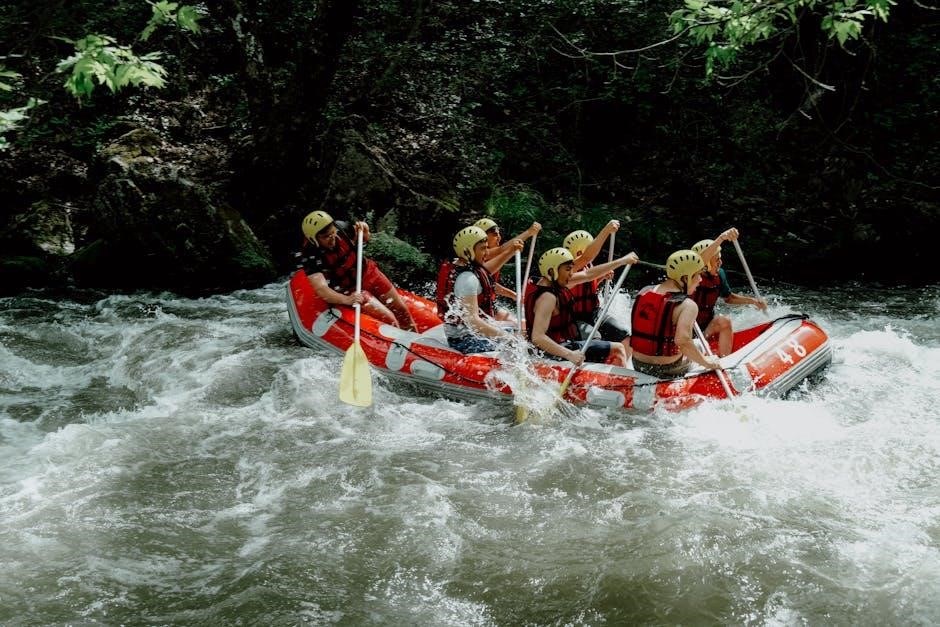
Whitewater rafting is an outdoor recreational activity involving navigating a river’s rapids in an inflatable raft; It’s more than just floating; it’s an active pursuit requiring teamwork and a degree of physical exertion.
Experienced guides, like those at American Whitewater Expeditions, steer the raft through challenging currents, utilizing specialized paddles and knowledge of the river’s features.
Rafts are typically constructed from durable, self-bailing materials, ensuring stability and preventing water accumulation. Participants are equipped with personal flotation devices (PFDs) for safety, adhering to US Coast Guard standards. The experience offers a unique blend of adventure, scenic beauty, and camaraderie.
The Thrill and Appeal of Rafting
Whitewater rafting’s appeal lies in its unique combination of adrenaline, teamwork, and immersion in nature. The thrill of conquering challenging rapids creates an unforgettable experience, fostering a sense of accomplishment and shared adventure.
It’s a fantastic escape from everyday life, offering a chance to disconnect and reconnect with the outdoors. The dynamic environment demands focus and collaboration, strengthening bonds between participants.
For many, it’s about pushing personal boundaries and embracing the unknown. Even with safety measures like those employed by Sheri Griffith River Expeditions, a sense of wildness prevails, making each trip uniquely captivating.
Understanding River Classes
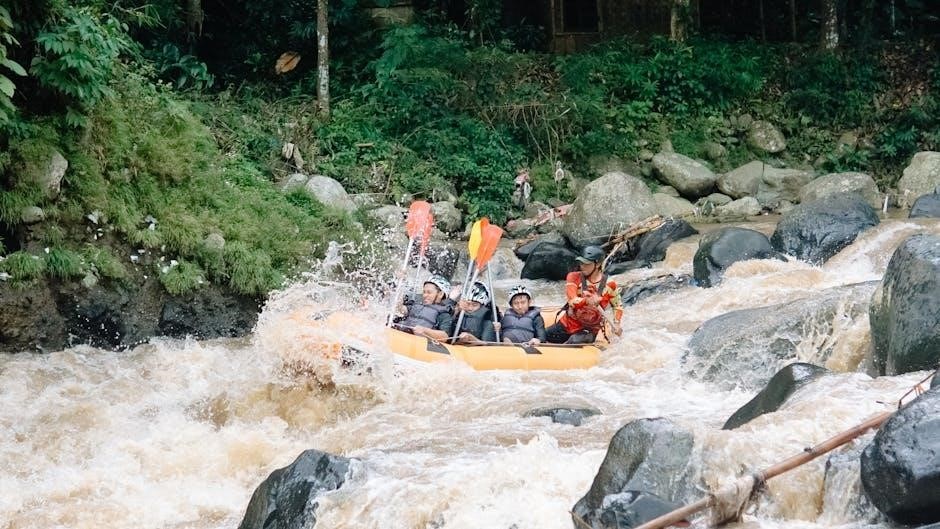
River classes, ranging from I to VI, categorize rapids based on difficulty, assessing water flow and obstacle complexity for a safe rafting experience.
These classifications help rafters choose appropriate adventures aligned with their skill levels and comfort zones.
Class I: Easy
Class I rapids are defined by their gentle, flowing nature, featuring minimal obstacles and straightforward routes, making them ideal for beginners and families.
These rivers typically exhibit small waves and few rocks, requiring minimal maneuvering skills and offering a relaxed, scenic float. No prior rafting experience is necessary, and these trips often focus on enjoying the surrounding wilderness.
Expect calm waters and a leisurely pace, perfect for those seeking an introductory whitewater experience without significant challenges. It’s a fantastic way to get comfortable with paddling and river dynamics.
Class II: Novice
Class II rapids introduce slightly more challenge, featuring small, straightforward rapids with wide, clear channels and easily identifiable routes.
These rivers present minor waves, potentially a few rocks, and require basic paddling techniques to navigate effectively. A novice rafter should expect to get a little wet and encounter some moderate excitement.
While still suitable for beginners, Class II demands a bit more attention and responsiveness from the paddling team. It’s a good step up from Class I, building confidence and fundamental rafting skills.
Class III: Intermediate
Class III rapids represent a significant step up in difficulty, characterized by moderate, irregular waves and potentially complex maneuvers.
These rapids often feature narrow channels, requiring precise paddling and quick reactions to avoid obstacles. Scouting may be necessary, and self-rescue techniques become increasingly important.
Intermediate rafters should possess good physical fitness, strong paddling skills, and the ability to follow directions effectively. Expect to encounter more challenging currents and a higher level of excitement, demanding focused teamwork.
Class IV: Advanced
Class IV rapids are powerful and unpredictable, demanding a high level of experience and skill from all rafters. Expect large, persistent waves, strong currents, and potentially violent eddies.
Precise maneuvering is crucial, and rafters must be prepared for complex routes and swift decision-making. Scouting is essential, and self-rescue proficiency is paramount.
Advanced rafters require excellent physical conditioning, expert paddling technique, and the ability to remain calm under pressure. These rapids present significant risk and are not suitable for beginners.
Class V: Expert
Class V rapids represent the most challenging whitewater environments, reserved exclusively for expert rafters with extensive experience and exceptional skills. These rivers feature long, extremely violent rapids with complex, obstructed routes.
Significant risk of injury is inherent, demanding precise boat control, rapid decision-making, and flawless execution of advanced maneuvers. Scouting is absolutely critical, and comprehensive self-rescue capabilities are non-negotiable.
Expert rafters possess peak physical fitness, unwavering composure, and a deep understanding of river dynamics. These rapids are incredibly dangerous and should only be attempted by highly qualified teams.
Essential Rafting Gear
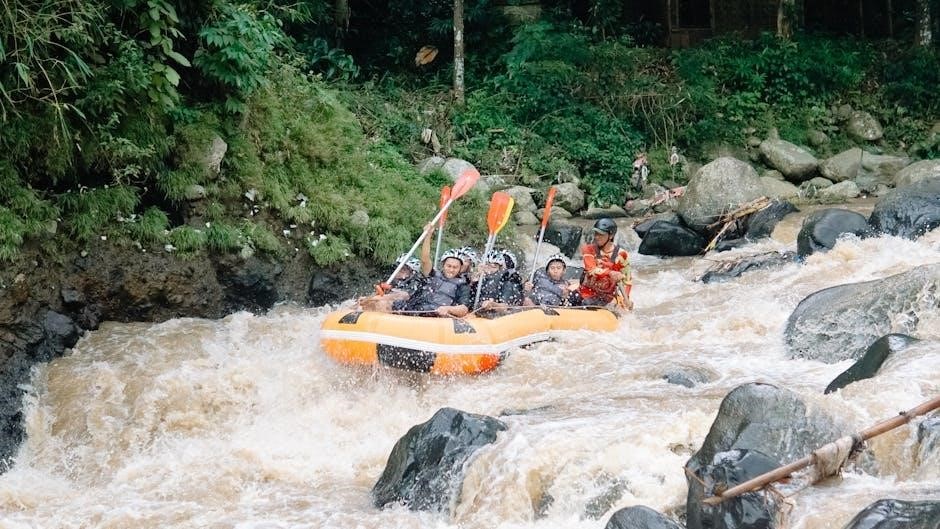
Proper gear is crucial for a safe and enjoyable rafting trip, including Coast Guard-approved PFDs, durable rafts, paddles, secure footwear, and reliable sun protection.
Commercial outfits provide high-quality equipment like 14-foot rafts and 60-inch paddles, prioritizing safety on the river.
Personal Flotation Devices (PFDs)
Personal Flotation Devices, or PFDs, are arguably the most vital piece of rafting equipment, functioning as your life jacket on the river. American Whitewater Expeditions emphasizes using Coast Guard-approved, Type 5 commercial PFDs, designed specifically for whitewater environments.
A properly fitted PFD is non-negotiable; it should be snug but allow for full range of motion. Sheri Griffith River Expeditions stresses the importance of always wearing a well-fitted PFD while on the water. Ensure the PFD is securely fastened before entering the river and throughout your entire rafting experience. Your safety depends on it!
Commercial-Grade Rafts
Commercial-grade rafts are built for durability and safety, specifically designed to withstand the rigors of whitewater environments. American Whitewater Expeditions proudly employs 14-foot, self-bailing rafts, meticulously maintained to ensure they are free from damage – “no duct tape or pinholes here!”
These rafts are constructed from heavy-duty materials, capable of navigating challenging rapids and protecting passengers. The self-bailing feature is crucial, automatically draining water that enters the raft, maintaining stability and preventing capsizing. Investing in quality rafts is paramount for any reputable outfitter prioritizing passenger safety.
Paddles and Oars
Paddles and oars are essential tools for maneuvering a whitewater raft, providing the power and control needed to navigate rapids effectively. American Whitewater Expeditions equips rafters with standard 60-inch, commercial-grade paddles, designed for optimal performance and reach.
Recognizing varying physical capabilities, they also keep lighter oars available for younger participants or those who prefer a less strenuous paddling experience. Proper paddle technique, guided by experienced instructors, is vital for teamwork and successful navigation. The quality and suitability of these tools directly impact the safety and enjoyment of the rafting trip.
Appropriate Footwear
Choosing the right footwear is crucial for safety and comfort during a whitewater rafting adventure. White Water Rafting Jackson Hole strongly recommends water shoes as the ideal option, providing excellent grip and protection. Alternatively, sneakers you don’t mind getting wet or sandals with secure ankle straps are acceptable choices.
However, flip-flops are strictly discouraged due to the risk of them slipping off in the river. Bare feet are also not recommended, as unseen hazards could cause injury. Secure footwear ensures stability and prevents foot injuries while navigating the rapids.
Sun Protection
Protecting yourself from the sun is paramount during whitewater rafting, as the water reflects UV rays, intensifying exposure. American Whitewater Expeditions even provides extra sunscreen if requested, recognizing its importance. Prolonged sun exposure can lead to sunburn, dehydration, and long-term skin damage.
Therefore, applying a broad-spectrum, water-resistant sunscreen with a high SPF is essential. Consider wearing a hat with a brim and sunglasses with UV protection. Protective clothing, like long-sleeved shirts, can also minimize sun exposure during your rafting excursion.
Safety First: Before You Go
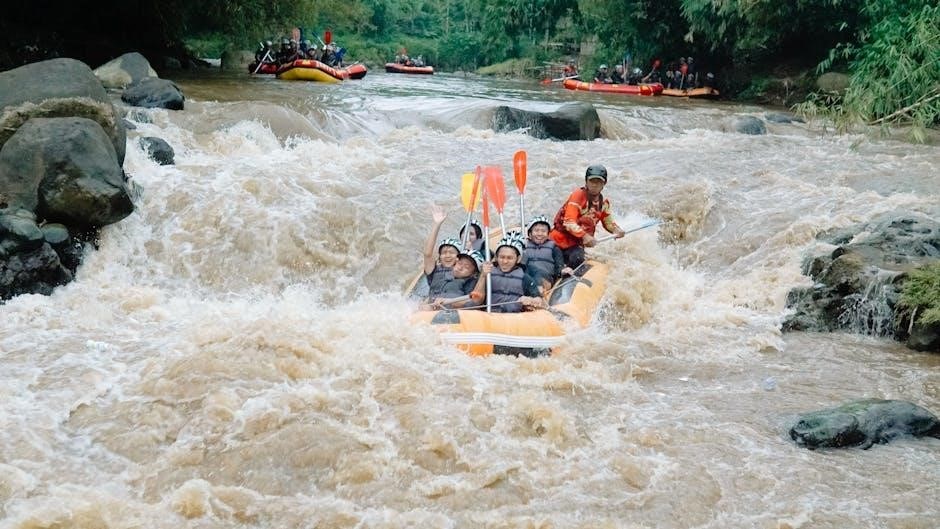
Prioritize safety by disclosing any health conditions to your guide, like allergies or cardiovascular issues, ensuring a safe and enjoyable rafting experience for everyone.
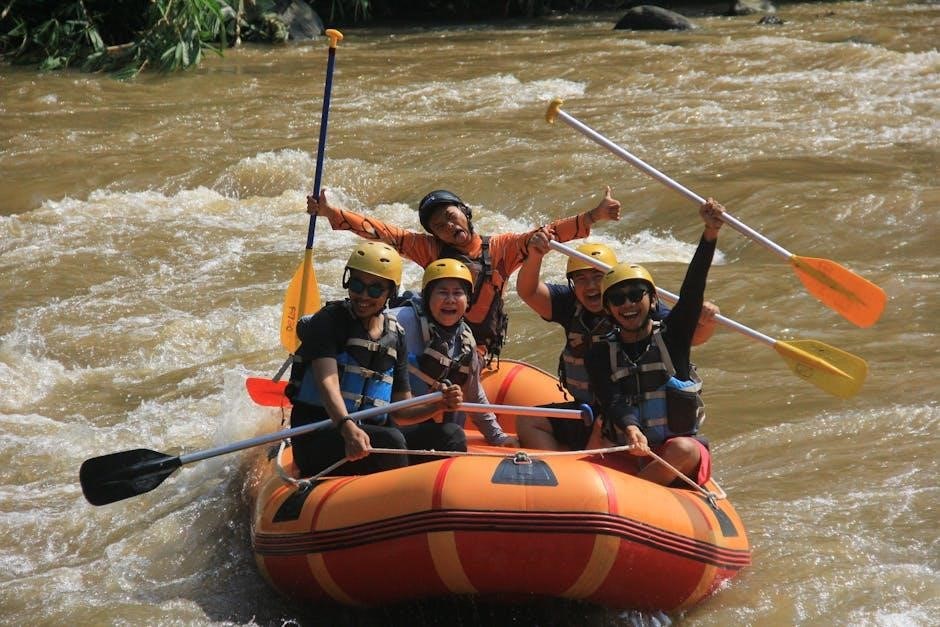
Health Considerations & Disclosure
Before embarking on a whitewater rafting adventure, a thorough self-assessment of your physical health is crucial. It’s vitally important to inform your guide about any pre-existing medical conditions, recent surgeries, or allergies you may have.
Specifically, disclose any cardiovascular issues, as the physical exertion and potential for adrenaline surges can impact your health. Guides need to be aware of conditions that might require immediate attention during the trip.
White Water Rafting Jackson Hole emphasizes this, stating guides must know of serious allergies or health concerns. Open communication ensures appropriate preparedness and a safer experience for all participants, allowing for proactive measures if needed.
Importance of a Qualified Guide
A skilled and certified guide is paramount to a safe and enjoyable whitewater rafting experience. They possess extensive knowledge of the river, its hazards, and appropriate rescue techniques. Their expertise extends to reading the water, navigating rapids effectively, and providing clear, concise instructions to the rafting team.
Qualified guides are trained in first aid and CPR, prepared to handle emergencies that may arise on the river. They also ensure adherence to safety protocols, minimizing risks for all participants.
Choosing an outfitter with certified guides, as highlighted in choosing a whitewater rafting outfitter, is a critical step in ensuring a secure adventure;
Pre-Trip Safety Briefing
A comprehensive safety briefing conducted by your guide is crucial before embarking on your whitewater rafting adventure. This session covers essential information, including proper paddling techniques, paddle commands, and self-rescue procedures.
Guides will emphasize the importance of listening to and following their instructions throughout the trip. Participants should openly disclose any health concerns, allergies, or recent surgeries to the guide, as noted by White Water Rafting Jackson Hole.
Understanding potential hazards and emergency protocols, discussed during the briefing, empowers rafters to react effectively and contribute to a safer journey.
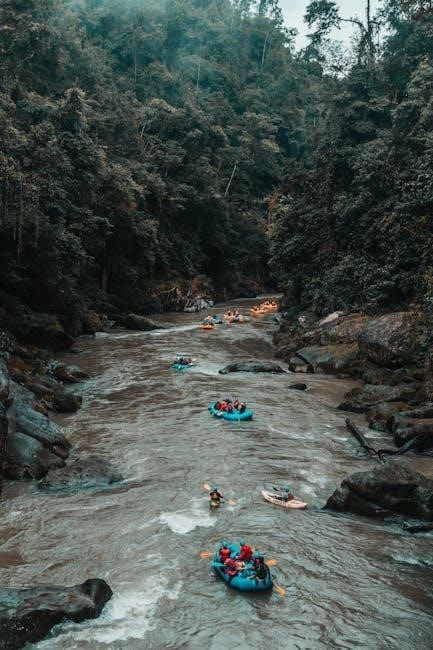
On the River: Essential Techniques
Mastering paddle commands and proper technique is vital for navigating rapids effectively. Skilled paddling, guided by experienced rafters, ensures a safe and enjoyable descent.
Self-rescue skills, taught during briefings, empower rafters to handle unexpected situations with confidence and contribute to team safety.
Paddle Commands
Effective communication is paramount on the river, and understanding paddle commands is crucial for coordinated maneuvering. Guides utilize a standardized set of instructions to direct the raft’s course through challenging rapids.
Common commands include “Forward,” signaling all paddlers to drive their blades into the water, propelling the raft ahead. “Back,” instructs paddlers to reverse their stroke, slowing or stopping the raft. “Draw” means to pull the water towards the raft, moving it sideways.
“Stop” calls for immediate blade removal, halting forward motion. Recognizing and responding swiftly to these commands ensures the raft remains stable and navigates obstacles safely, fostering teamwork and a successful rafting experience.
Proper Paddling Technique
Mastering proper paddling technique maximizes efficiency and control on the river. A strong, full-arm stroke, originating from the torso rather than just the arms, delivers the most power. Keep your blade fully submerged throughout the stroke, rotating your wrists to “catch” the water effectively.
Maintain a relaxed grip, avoiding a death grip on the paddle, which leads to fatigue. Engage your core muscles for stability and leverage. Synchronizing your strokes with the team is vital; listen attentively to the guide’s commands and paddle rhythmically.
Consistent, powerful strokes contribute to a smoother, safer, and more enjoyable rafting adventure.
Self-Rescue Techniques
Understanding self-rescue techniques is crucial for river safety, even with a skilled guide present. If you fall out of the raft, immediately assume a defensive swimming position – feet pointed downstream, facing your raft. This protects you from rocks and allows for easier rescue.
Attempt to swim towards the raft or shore, utilizing eddy currents to your advantage. Never try to stand in fast-moving water. If unable to self-rescue, remain calm and signal for help. Knowing how to “duckie” – pulling into a ball – can also help navigate turbulent waters.
Practice these techniques during the safety briefing!
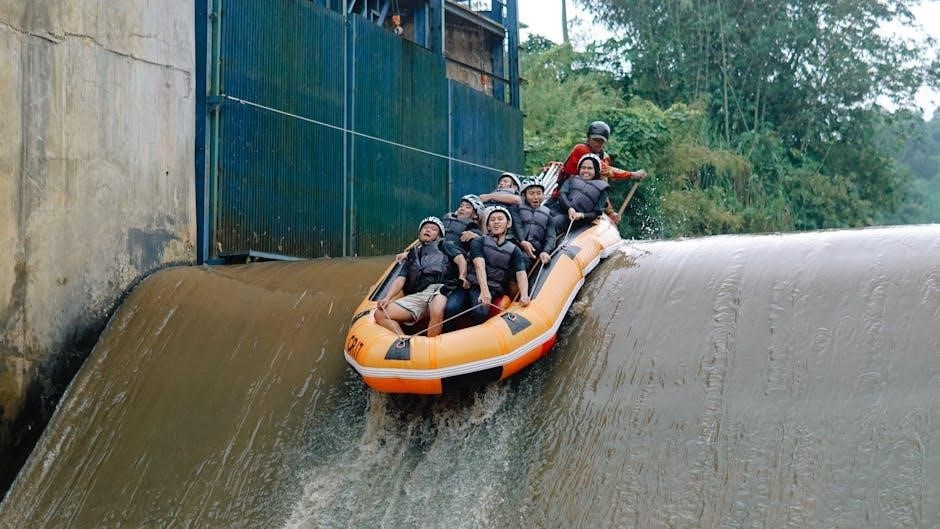
What to Wear While Rafting
Appropriate attire is vital for comfort and safety; water shoes or secure sneakers are best, avoiding flip-flops and bare feet on the river.
Prioritize quick-drying materials and layers to regulate body temperature during your whitewater adventure.
Clothing Materials
Selecting the right clothing materials is crucial for a comfortable and safe whitewater rafting experience. Avoid cotton at all costs, as it absorbs water, loses its insulating properties, and can leave you dangerously cold.
Instead, opt for synthetic fabrics like polyester or nylon, which are quick-drying and maintain warmth even when wet. Merino wool is another excellent choice, offering natural odor resistance and temperature regulation.
These materials wick moisture away from your skin, preventing chills and discomfort. Consider the water temperature and potential for exposure when choosing your layers, prioritizing fabrics that offer both warmth and breathability for optimal performance on the river.
Layering for Temperature Control
Effective layering is paramount for maintaining comfort during whitewater rafting, as river temperatures and weather conditions can change rapidly. Begin with a moisture-wicking base layer to draw sweat away from your skin.
Add an insulating mid-layer, such as fleece or a lightweight synthetic jacket, for warmth. Finally, a waterproof and windproof outer layer will protect you from splashes and the elements.
Adjust layers as needed throughout the trip to prevent overheating or chilling. Remember, being prepared for a range of temperatures ensures a more enjoyable and safe rafting adventure on the river.
Avoiding Cotton
Cotton is a significant hazard when whitewater rafting due to its tendency to absorb water and lose insulating properties. Wet cotton clothing can quickly lead to hypothermia, even in relatively mild temperatures.
Instead, opt for synthetic materials like polyester or nylon, or choose merino wool, which retains warmth even when wet. These fabrics wick moisture away from your skin, keeping you drier and more comfortable throughout your rafting excursion.
Prioritizing appropriate clothing materials is crucial for safety and enjoyment on the river, ensuring a positive experience.
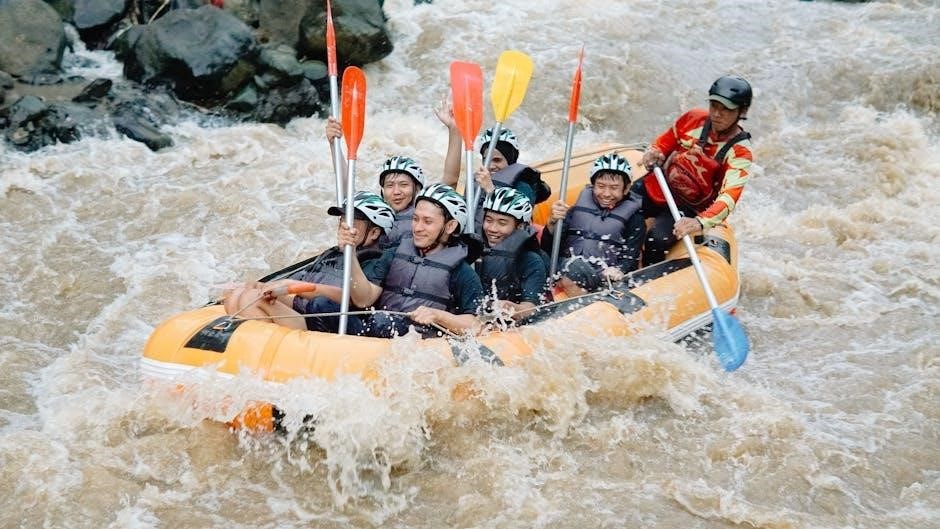
Potential Hazards and How to Handle Them
Navigating whitewater involves risks like strainers, obstacles, and potential capsizing; understanding flip procedures and recognizing hypothermia symptoms are vital for safety.
Strainers and Obstacles
Strainers, formed by trees or debris partially submerged in the river, pose a significant hazard as they allow water to pass through but trap solid objects – including rafts and people. Avoiding these is paramount; skilled guides expertly navigate around them.
Other obstacles, like rocks and fallen logs, require quick reactions and precise paddling. A proactive approach, scanning the river ahead, allows for timely maneuvering. Understanding river dynamics and potential obstructions is crucial for a safe descent. Always listen to your guide’s instructions regarding obstacle avoidance and appropriate paddling techniques.
Remember, awareness and proactive navigation are key to mitigating risks associated with strainers and other river obstacles.
Flip Over Procedures
Despite safety measures, rafts can occasionally flip over, especially in challenging rapids. Remaining calm is the first, and most crucial, step. Your Personal Flotation Device (PFD) will keep you afloat, so trust its buoyancy.
Follow your guide’s instructions precisely. Typically, you’ll be instructed to “duck down” and hold onto the raft. Avoid attempting to stand until the raft is righted and you’re in calmer waters. The guide will work to flip the raft back over and assist everyone back on board.
Practice these procedures during the pre-trip safety briefing to ensure preparedness and confidence in the event of a capsize.
Hypothermia Awareness
Even in warmer weather, hypothermia is a risk on whitewater rafting trips due to immersion in cold river water. Symptoms include shivering, confusion, slurred speech, and exhaustion. Wearing appropriate clothing, like layers avoiding cotton, is vital for insulation.
Recognize the early signs in yourself and others. If someone exhibits symptoms, alert your guide immediately. They are trained to provide assistance and initiate warming procedures.
Staying hydrated and fueled also helps maintain body temperature. Be prepared for potential exposure and prioritize staying warm throughout your rafting adventure.
Post-Rafting Considerations
After your rafting adventure, prioritize rehydration and nourishment to replenish energy stores. Check for any injuries and practice responsible river etiquette for all.
Hydration and Nutrition
Following a whitewater rafting trip, replenishing fluids and energy is crucial. The physical exertion demands significant hydration; water is paramount, but electrolyte-rich drinks can also aid recovery.
Don’t underestimate the importance of nutrition! Consuming easily digestible carbohydrates and proteins helps restore glycogen levels and repair muscle tissue.
Snacks like energy bars, fruit, or trail mix are excellent choices. Avoid heavy, greasy foods immediately post-rafting, as they can cause discomfort. Prioritizing both hydration and nutrition ensures a faster and more complete recovery, allowing you to fully enjoy the memories of your river adventure.
Checking for Injuries
Post-rafting, a thorough self-assessment and buddy check are essential. Look for any cuts, scrapes, or bruises sustained during the trip. Pay close attention to potential neck or back pain, even if it seems minor initially.
Check for signs of hypothermia, such as shivering, confusion, or slurred speech. If anyone experiences these symptoms, seek immediate medical attention.
Don’t hesitate to report any discomfort to your guide, even if you’re unsure of its severity. Early detection and treatment can prevent minor injuries from becoming more serious, ensuring everyone’s well-being after the adventure.
River Etiquette
Respecting the river environment and fellow rafters is paramount. Avoid throwing trash into the water or along the banks; pack out everything you pack in. Be mindful of wildlife and maintain a safe distance.
When encountering other rafts, communicate clearly and yield the right-of-way appropriately. Avoid splashing or intentionally disrupting other groups.
Listen attentively to your guide’s instructions and follow their lead. Cooperative paddling and a positive attitude contribute to a safe and enjoyable experience for everyone on the river.
Choosing a Whitewater Rafting Outfitter
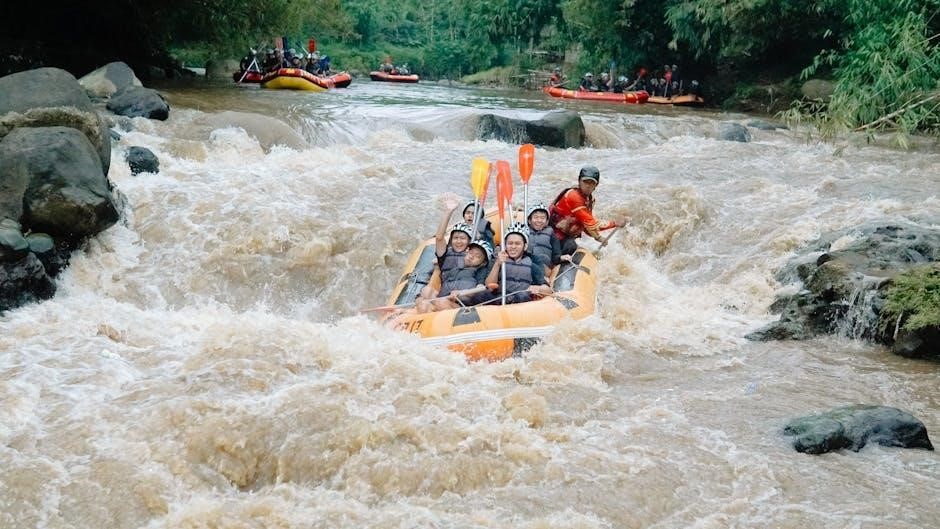
Selecting a reputable outfitter is crucial; prioritize those with proven experience, a strong safety record, and guides holding current certifications.
American Whitewater Expeditions emphasizes safety with well-maintained equipment and experienced personnel, ensuring a secure and enjoyable rafting adventure.
Reputation and Experience
A whitewater rafting outfitter’s reputation speaks volumes about the quality of their services and commitment to safety. Thoroughly research potential outfitters, seeking reviews and testimonials from previous clients to gauge their overall satisfaction.
Years of experience often translate to a deeper understanding of river dynamics, hazard identification, and effective risk management. Established companies have likely navigated various conditions and refined their procedures accordingly.
Look for outfitters who actively participate in industry associations and demonstrate a dedication to upholding best practices. American Whitewater Expeditions, for example, prioritizes well-maintained equipment and experienced guides, building trust through consistent performance.
Safety Record
A paramount consideration when choosing a whitewater rafting outfitter is their safety record. Inquire about their incident history and the measures they’ve taken to prevent future occurrences. A transparent outfitter will readily share this information, demonstrating accountability.
Companies like American Whitewater Expeditions emphasize safety through rigorous equipment checks – “no duct tape or pinholes here!” – and the use of Coast Guard-approved PFDs.
Prioritize outfitters with a documented commitment to safety protocols, including comprehensive guide training, pre-trip briefings, and adherence to industry standards. A strong safety record indicates a proactive approach to minimizing risks and protecting participants.
Guide Certification
Qualified guides are the cornerstone of a safe and enjoyable whitewater rafting experience. Verify that the outfitter employs guides who possess current certifications in wilderness first aid, CPR, and swiftwater rescue techniques.
These certifications demonstrate a commitment to safety and the ability to handle emergency situations effectively. A reputable outfitter will prioritize ongoing training for their guides, ensuring they remain proficient in essential skills.
Experienced guides can assess river conditions, provide clear instructions, and make informed decisions to mitigate risks, ultimately enhancing the overall safety and enjoyment of the trip.