
The Alchemist Book: Finding Free PDF Versions & Understanding the Author’s Intent
Many seek the Alchemist as a free PDF, driven by its inspirational narrative; however, understanding the author’s views on accessibility versus financial support is crucial for ethical consumption․
Understanding the Demand for Free PDFs
The widespread desire for free PDF versions of “The Alchemist” stems from several interconnected factors․ Its global recognition as a life-changing novel fuels a broad readership, particularly among students and those with limited financial resources․ Accessibility plays a key role; a free PDF removes economic barriers, allowing wider access to Coelho’s impactful story․
Furthermore, the digital age has cultivated an expectation of readily available online content․ Indie RPG creators acknowledge obscurity as a greater threat than piracy, highlighting a need for visibility․ Sharing PDFs, even unofficially, can significantly expand a book’s reach, fostering word-of-mouth recommendations and future book sales, as authors hope readers will purchase copies later in life․
However, this demand also presents ethical dilemmas, balancing the desire for accessible literature with the need to support authors and the publishing industry․ The availability of free PDFs often exists in a gray area, prompting discussions about copyright, author compensation, and sustainable creative practices․
Legality and Ethical Considerations of Downloading Free PDFs
Downloading copyrighted material like “The Alchemist” as a free PDF from unofficial sources generally constitutes copyright infringement, a legal violation․ While accessibility is valued, respecting intellectual property rights is paramount․ Authors rely on sales and royalties for livelihood, and unauthorized distribution undermines their financial sustainability․
Ethically, obtaining a free PDF without proper authorization deprives Paulo Coelho and publishers of deserved compensation․ The argument that “exposure” equates to income is acknowledged – visibility is crucial – but it doesn’t replace financial support․ Creators need to “eat food,” as one indie author stated, emphasizing the necessity of direct compensation․
Creative Commons licensing (CC-BY-SA) offers a legal avenue for free distribution with attribution and the requirement to share alike, but not all versions online adhere to this․ Supporting authors through legitimate channels, even after initially accessing a free copy, demonstrates respect for their work and encourages continued creativity․

Paulo Coelho’s Stance on Sharing and Accessibility
Interestingly, some authors, particularly in the indie RPG space, prioritize widespread access over strict copyright enforcement, recognizing that obscurity poses a greater threat than piracy․ Paulo Coelho, while benefitting from sales, seems to implicitly acknowledge this balance․ The sentiment expressed by some creators is to encourage sharing of PDFs, believing it fosters a long-term readership;
The idea is that readers who encounter the work freely may later purchase copies – in college, for example – and recommend it to others, creating a ripple effect․ This approach views initial free access as a marketing tool, building a loyal audience․ However, this doesn’t negate the need for financial support․
Authors request direct contributions when possible, recognizing that “exposure” alone isn’t sufficient for sustenance․ The goal is to find a balance between making the work accessible to all and ensuring the author can continue creating․ This nuanced perspective highlights the complexities of digital distribution․

Where to Find “The Alchemist” PDF Online
Numerous websites offer “The Alchemist” PDF, ranging from official sources to file-sharing platforms; however, caution is advised due to potential malware risks․
Official Sources & Legal Options
While the demand for free PDFs is understandable, supporting Paulo Coelho and the publishing industry necessitates exploring legal avenues․ Directly purchasing the ebook from authorized retailers like Amazon Kindle, Google Play Books, or Apple Books ensures the author receives compensation for their work․ Libraries often offer digital lending programs, providing access to “The Alchemist” as an ebook or audiobook without cost, adhering to copyright regulations․
Furthermore, some online bookstores may occasionally offer promotional discounts or free ebook versions as part of limited-time campaigns․ Checking these platforms periodically could yield a legitimate, cost-free opportunity to read the novel․ Consider subscribing to newsletters from these retailers to stay informed about such promotions․ Remember, opting for legal sources safeguards against malware and supports the creative process, fostering a sustainable ecosystem for authors and publishers alike․
Unofficial Websites Offering Free Downloads ⏤ Risks Involved
Numerous websites claim to offer free PDF downloads of “The Alchemist,” but these sources present significant risks․ These platforms frequently operate outside legal boundaries, violating copyright laws and potentially exposing users to malware, viruses, and other harmful software․ Downloading files from untrusted sources can compromise your device’s security and personal information, leading to identity theft or data breaches․
Moreover, the quality of these illegally distributed PDFs is often substandard, containing errors, missing pages, or poor formatting․ Supporting these sites undermines Paulo Coelho’s work and the publishing industry․ The indie RPG community acknowledges obscurity is a greater threat than piracy, but ethical considerations remain paramount․ Prioritize legal alternatives to protect yourself and support authors, even if it means foregoing a free download․
File-Sharing Platforms and Potential Malware
Utilizing file-sharing platforms to acquire a free PDF of “The Alchemist” introduces substantial security vulnerabilities․ These platforms are notorious breeding grounds for malware, viruses, and other malicious software disguised as legitimate files․ Downloading from such sources significantly increases the risk of infecting your computer or mobile device, potentially leading to data loss, identity theft, or compromised system performance․
The allure of a free download often overshadows the potential consequences․ While some files may appear safe, they can contain hidden threats that activate upon download or execution․ Remember, creators emphasize that while exposure is valuable, it doesn’t equate to financial sustainability․ Supporting authors through legal channels safeguards both your digital security and their ability to continue producing valuable work․ Exercise extreme caution and prioritize safe, legal alternatives․

Exploring Different File Formats
“The Alchemist” is available in PDF, EPUB, Kindle, and TXT formats; PDF offers consistent formatting, while EPUB and Kindle adapt to various devices for optimal reading․
PDF Format: Advantages for Reading “The Alchemist”
The Portable Document Format (PDF) remains a popular choice for accessing “The Alchemist” due to its universal compatibility and preservation of the original formatting․ Unlike reflowable formats like EPUB, a PDF displays the text exactly as intended by the publisher, ensuring a consistent reading experience across different devices – computers, tablets, and smartphones․ This is particularly beneficial for a book rich in symbolism and potentially nuanced page layouts․
Furthermore, PDFs are generally straightforward to download and view, requiring only a readily available PDF reader․ While some PDFs may have restrictions on copying or printing, many freely available versions do not․ The static nature of the PDF also means it’s less prone to errors or formatting glitches that can sometimes occur with other digital formats․ For readers prioritizing a faithful reproduction of the printed book, the PDF format offers a reliable and accessible option when seeking “The Alchemist” online․
EPUB and Kindle Formats: Alternatives to PDF
While PDFs offer formatting consistency, EPUB and Kindle (AZW/MOBI) formats present compelling alternatives for reading “The Alchemist” digitally․ EPUB, an open standard, excels in reflowable text, allowing readers to adjust font sizes and styles for optimal comfort on various screen sizes․ This adaptability is a significant advantage for those who prefer a personalized reading experience․ Kindle formats similarly offer customization options and seamless integration with Amazon’s ecosystem․
However, obtaining these formats for free can be more challenging than finding PDFs․ Legitimate sources typically require purchase․ Though conversion tools exist to transform PDFs into EPUB or Kindle formats, these conversions aren’t always perfect, potentially introducing formatting errors․ Despite this, the enhanced readability and portability offered by EPUB and Kindle make them worthwhile considerations for dedicated digital readers seeking a more tailored experience with Coelho’s classic․
TXT Format: A Basic Text-Only Version
The simplest digital form, a TXT file of “The Alchemist” strips away all formatting – fonts, images, and even chapter headings – leaving only the raw text of the novel․ While lacking aesthetic appeal, this format offers unparalleled compatibility; it can be opened on virtually any device with a text editor․ This makes it a readily accessible option, particularly for those with limited storage space or older devices struggling with larger file types like PDFs or EPUBs;
However, the reading experience is significantly diminished․ The absence of formatting can make navigating the narrative challenging, and the lack of visual cues impacts readability․ Though easily found through various online sources offering free downloads, the TXT format prioritizes accessibility over presentation․ It’s a functional, if spartan, way to engage with Coelho’s story, best suited for those prioritizing content over form․

The Content of “The Alchemist” ⏤ A Brief Overview
Santiago’s journey, a shepherd’s quest, embodies themes of personal legend and destiny, exploring symbolism like sheep, the desert, and the pursuit of alchemy itself․
Santiago’s Journey: The Core Narrative
The narrative centers on Santiago, an Andalusian shepherd boy who repeatedly dreams of finding treasure at the foot of the Egyptian pyramids․ Initially hesitant, he consults a Gypsy woman and then meets Melchizedek, a king, who encourages him to pursue his “Personal Legend․”
Abandoning his comfortable life, Santiago travels to Tangier, where he is robbed, forcing him to work at a crystal shop to earn money for his journey․ This period teaches him valuable lessons about commerce, patience, and following one’s dreams․
He eventually joins a caravan crossing the Sahara Desert, encountering an alchemist who guides him on the final leg of his quest․ Throughout his travels, Santiago learns to listen to the “Language of the World” and understand the interconnectedness of all things․ The journey isn’t simply about finding treasure, but about the transformation Santiago undergoes while pursuing his destiny․
Themes of Personal Legend and Destiny
Central to The Alchemist is the concept of a “Personal Legend” – one’s unique calling or life purpose․ Coelho emphasizes that everyone has a Personal Legend, and the universe conspires to help those who pursue it with unwavering dedication․ Ignoring this calling leads to unfulfillment and regret․
Destiny isn’t presented as a predetermined path, but rather as a potential realized through choices and actions․ Santiago’s journey demonstrates that obstacles and setbacks are integral parts of fulfilling one’s destiny, serving as lessons and opportunities for growth․
The novel also explores the importance of listening to one’s heart and following intuition․ Fear of failure and societal expectations often hinder individuals from pursuing their dreams, but Coelho advocates for courage and self-belief․ Ultimately, the treasure isn’t just material wealth, but the self-discovery achieved along the way․
Symbolism in “The Alchemist” (e․g․, Sheep, Desert, Alchemy)
Coelho masterfully employs symbolism throughout The Alchemist․ The sheep represent the comfortable, predictable life that Santiago initially leads – a life lacking ambition and risk․ Conversely, the desert embodies the unknown, challenging path of pursuing one’s Personal Legend, demanding resilience and adaptation․
Alchemy itself isn’t merely a historical practice, but a metaphor for transformation․ Santiago’s journey mirrors the alchemical process of turning base metals into gold, representing the spiritual refinement and self-discovery achieved through hardship․ The alchemist serves as a guide, embodying wisdom and the understanding of universal language․
Other symbols, like omens and the wind, highlight the interconnectedness of all things and the importance of paying attention to the subtle signs the universe provides․ These elements enrich the narrative, inviting readers to interpret the story on multiple levels․
Creative Commons and Author Support
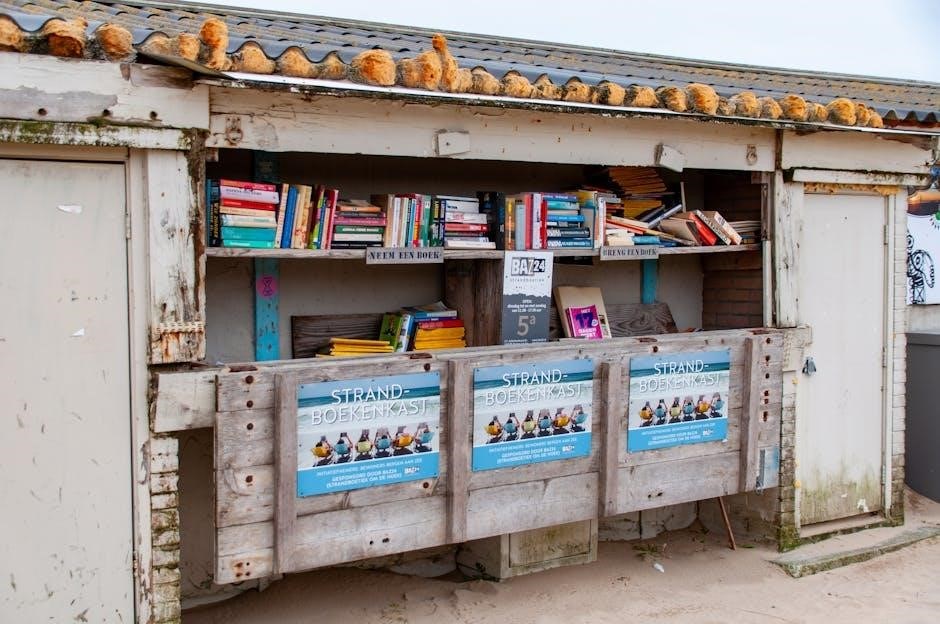
Authors, like those in indie RPGs, often utilize Creative Commons licenses, balancing accessibility with the need for financial support to continue creating valuable work․
CC-BY-SA Licensing: What it Means for Readers
CC-BY-SA, or Creative Commons Attribution-ShareAlike, is a licensing framework gaining traction amongst authors seeking a balance between open access and protecting their livelihood․ For readers, this means you are free to share copies of “The Alchemist” PDF, but with specific conditions․ Attribution is key – you must credit Paulo Coelho as the original author․
More importantly, the ‘ShareAlike’ clause dictates that any derivative works – translations, adaptations, or even summaries – must also be licensed under CC-BY-SA․ This ensures the openness continues․ Essentially, if you modify the work, you must allow others to freely share and build upon your modifications, fostering a collaborative environment․
This approach acknowledges that exposure can lead to future purchases, as readers who discover the book through free distribution may later buy copies for themselves or gift them to others․ It’s a recognition that “we can’t eat exposure, but we can’t earn money without it,” as one author noted․
Supporting Authors Like Paulo Coelho
While freely accessible PDFs of “The Alchemist” circulate, directly supporting Paulo Coelho and authors employing similar models is vital for continued creativity․ Recognizing the delicate balance between accessibility and financial sustainability is crucial․ Authors often rely on sales to fund future projects and maintain their ability to write․
If you enjoy “The Alchemist,” consider purchasing a physical copy or an ebook from official sources․ This directly contributes to the author’s income and demonstrates appreciation for their work․ Encourage friends and family to do the same․
Remember, authors like those utilizing Creative Commons licenses often request financial support when possible – “Every time you’ve got money, send it to us․” This acknowledges that while exposure is valuable, it doesn’t cover essential living expenses․ Supporting authors ensures they can continue crafting stories that inspire and resonate with readers worldwide․

The Balance Between Accessibility and Financial Sustainability
The widespread availability of free “Alchemist” PDFs highlights a complex tension: the desire for accessible literature versus the need for authors to earn a livelihood․ Many independent RPG creators face this same dilemma, recognizing obscurity as a greater threat than piracy itself․
Authors often embrace strategies like Creative Commons licensing (CC-BY-SA) to broaden readership, hoping that increased exposure will eventually translate into sales – “I want everyone playing to have a copy…they buy a copy when they go to college․” This relies on a community-driven model where readers support creators when financially able․
Ultimately, the ideal scenario involves a harmonious blend․ Free access can spark initial interest, but sustained support through purchases is essential․ Authors “can’t eat exposure, but can’t earn money without it,” emphasizing the need for both visibility and financial compensation․
Resources for Further Exploration
Explore online summaries, analyses, and movie adaptations to deepen your understanding of Santiago’s journey; discussion forums offer vibrant community engagement with fellow readers․
Online Summaries and Analyses of “The Alchemist”
Numerous websites provide comprehensive summaries of Paulo Coelho’s “The Alchemist,” offering a quick overview of Santiago’s transformative journey and the core themes explored within the novel․ These resources are particularly helpful for those initially seeking to grasp the narrative before diving into the full text, or as a refresher after completing the book․
Beyond simple plot recaps, many analyses delve into the rich symbolism embedded throughout the story – examining the significance of the sheep, the desert, and the alchemical process itself․ Sites like ettron․com offer detailed explorations of these elements, connecting them to broader philosophical concepts of personal legend and destiny․
Furthermore, academic and literary blogs often present in-depth critical essays, dissecting Coelho’s writing style and the novel’s enduring appeal․ These analyses can provide valuable insights for students or anyone interested in a more nuanced understanding of “The Alchemist’s” cultural impact and literary merit, even when accessing a free PDF version․
Movie Adaptations and Their Differences from the Book
While a desire for a free PDF of “The Alchemist” is common, exploring adaptations reveals how interpretations shift across mediums․ A film adaptation exists, but it often receives mixed reviews from devoted readers of Coelho’s novel․ Many argue the movie struggles to capture the internal, philosophical depth that defines the book’s power․
Key differences lie in the pacing and portrayal of Santiago’s internal struggles․ The novel’s strength resides in its meditative quality, allowing readers to fully immerse themselves in Santiago’s journey of self-discovery․ A film, constrained by time, often streamlines these introspective moments, potentially sacrificing nuance․
Additionally, the symbolic weight of certain elements, like the desert and encounters with various characters, may be diminished in the visual translation․ Therefore, while the movie can serve as an introductory glimpse into the story, it’s generally considered a less profound experience than engaging directly with Coelho’s original text, even a freely accessed PDF․
Discussion Forums and Communities Dedicated to the Novel
Despite the search for a free “Alchemist” PDF, vibrant online communities offer a rich experience beyond simply acquiring the text․ Numerous forums and social media groups are dedicated to dissecting Coelho’s work, fostering discussions about its themes, symbolism, and personal impact․
These platforms provide spaces for readers to share interpretations, debate Santiago’s choices, and explore the concept of a “Personal Legend․” They often feature analyses of specific passages, character studies, and comparisons to other philosophical or spiritual texts․ Finding a free PDF can be a starting point, but engaging with these communities elevates the reading experience․
Furthermore, these groups often share resources – summaries, analyses, and even links to legitimate sources for purchasing the book – creating a supportive environment for exploring “The Alchemist’s” enduring message․ They demonstrate the novel’s continued relevance and inspire deeper engagement than a solitary read, even with readily available digital copies․