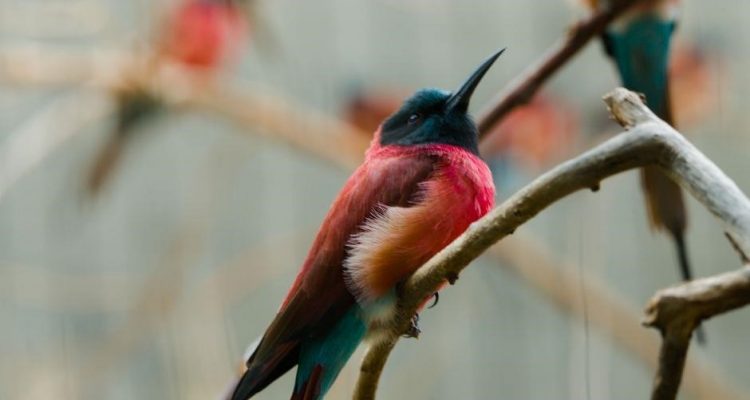
Overview of “Birds and the Bees” Story PDFs
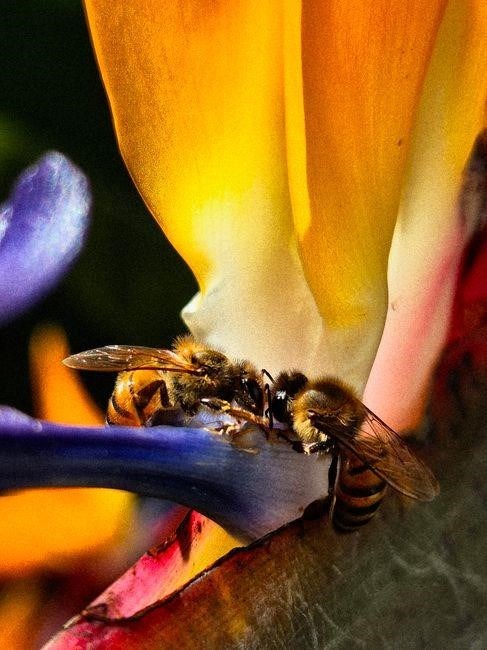
Birds and the Bees stories in PDF form capture classic tales, offering accessible, portable reading for schools and families. These PDFs preserve original illustrations, maintain chapter structure, and allow easy sharing across classrooms, enhancing literacy and cultural appreciation. Great sharing.!!
1.1 Historical Context and Origin
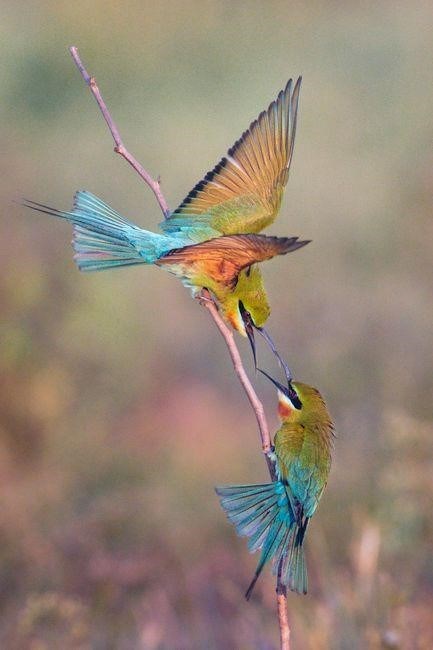
The “Birds and the Bees” narrative, long embedded in folklore and educational curricula, traces its roots to 19th‑century moral tales that used avian and floral imagery to teach young readers about responsibility and community. Early print editions, often handwritten or printed on cheap paper, circulated in rural schools and Sunday schools, where teachers would read aloud to illustrate the interconnectedness of nature. As literacy rates rose, publishers began to adapt the story into more polished volumes, adding illustrations that highlighted the symbolic roles of birds as messengers and bees as industrious workers. The transition from hand‑written manuscripts to typewritten drafts in the early 1900s made the text more reproducible, allowing for wider distribution. By the 1930s, the story had entered the public domain, and numerous editions appeared in paperback, each variation reflecting contemporary educational priorities. The advent of digital printing in the late 20th century enabled the creation of PDF versions, preserving the original layout while offering interactive features such as clickable indices and embedded audio narration. Today, educators and parents use these PDFs to reinforce lessons about ecology, cooperation, and moral development, drawing on a tradition that spans over a century of evolving media formats and pedagogical approaches. Modern adaptations also explore digital storytelling, letting children remix scenes, create soundtracks, and collaborate on shared projects, extending the narrative’s reach beyond the printed page.
1.2 Popularity Among Educators and Parents
Since its digital incarnation, the Birds and the Bees PDF has become a staple in classrooms and home libraries alike. Teachers appreciate its concise narrative, clear moral arc, and built‑in annotations that allow quick lesson planning. Parents favor the accessible format, which can be read aloud on the go or printed for quiet reading time. The PDF’s lightweight file size means it can be shared via email, cloud storage, or classroom websites without bandwidth concerns. Many educators incorporate the story into interdisciplinary units, pairing it with science lessons on pollination, biology, or environmental stewardship. The text’s vivid imagery of birds and bees serves as a springboard for art projects, writing prompts, and discussion circles, fostering critical thinking and empathy. Parents often use the PDF during bedtime routines, noting how the story’s gentle tone and relatable characters help children process feelings about responsibility and community. The widespread availability of free, open‑source PDFs has also encouraged creative remixing; teachers upload annotated versions, add quizzes, or embed multimedia to enhance engagement. As a result, the Birds and the Bees PDF remains a beloved resource, bridging generations and reinforcing shared values through a timeless tale. In addition, the PDF’s compatibility with assistive technologies—screen readers, text‑to‑speech, and adjustable font sizes—has made it a go‑to choice for inclusive classrooms. The story’s simple yet profound message aligns with Common Core standards, enabling teachers to meet learning objectives while keeping students engaged. Many school districts have adopted the PDF as part of their digital curriculum bundles, citing its low cost and high educational value. Furthermore, the story’s popularity has spurred a community of educators who share supplemental materials, such as printable worksheets, discussion guides, and interactive quizzes, all linked directly from the PDF. Parents appreciate the transparency of the source material, knowing that the content is vetted and age‑appropriate. The combination of ease of use, pedagogical flexibility, and proven impact on student learning has cemented the Birds and the Bees PDF as a cornerstone of modern elementary education.

1.3 Common Themes and Narrative Structure
In the Birds and the Bees PDF, the narrative follows a clear three‑act structure. The exposition introduces a curious protagonist and a vibrant setting where birds and bees coexist. An inciting incident—a conflict over shared resources—propels the plot, leading to challenges that test cooperation and empathy. The climax presents a collaborative solution, highlighted by a symbolic act such as a shared nest or pollinated flower, underscoring interdependence. Resolution brings harmony, reinforcing the moral that diverse perspectives strengthen community bonds. Themes of stewardship, mutual respect, and environmental care recur, encouraging readers to reflect on their role in nature. The language is simple yet evocative, allowing educators to layer discussion points or cross‑curricular activities. Visuals support comprehension, with illustrations reinforcing key plot points and thematic cues. The PDF format preserves this structure, enabling teachers to annotate, highlight, or embed questions directly into the text, enhancing engagement. The pacing is measured, building anticipation and offering reflection opportunities. The moral lesson—cooperation leads to shared prosperity—is woven into dialogue, ensuring the message resonates without overt preaching. Marginal notes prompt critical thinking, asking about characters’ motivations or ecological implications. This design encourages active reading and supports differentiated instruction, allowing students of varying reading levels to engage meaningfully.
- Exposition: Setting and characters
- Conflict: Resource sharing dilemma
- Resolution: Cooperative harmony
Teachers can embed quizzes, and parents can review progress on any device.
Technical Aspects of PDF Versions
Birds and the Bees PDFs showcase advanced compression, ensuring fast load times while preserving high‑resolution images. Embedded fonts guarantee consistent typography across devices; Interactive form fields enable annotations, and metadata tags support searchability for educators and parents alike.
2.1 File Formats and Compression Techniques
The PDFs also support narration enhancing fast!quickly engagement for diverse learning styles Users can export annotations to PDF/A for archival, or convert to EPUB for e‑reader compatibility, ensuring the story remains accessible across generations of devices This tech supports team annotation, boost learning.!
2.2 Accessibility Features (Alt Text, Tagging)
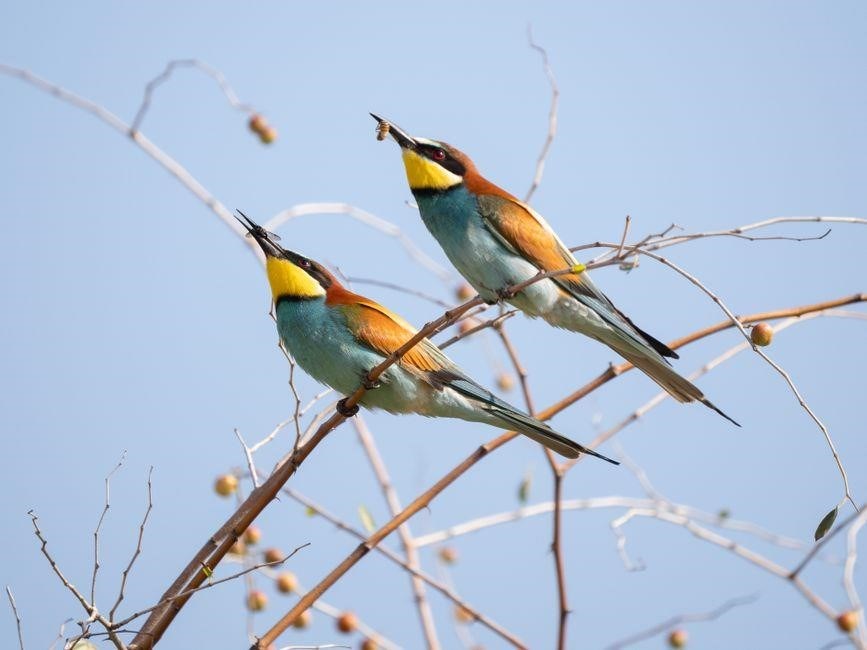
In the realm of digital literature, the “Birds and the Bees” story PDF is engineered with a suite of accessibility features that empower readers. The document incorporates comprehensive alt‑text descriptions for every illustration, ensuring that screen readers can convey the narrative’s visual context. The image is tagged with concise, descriptive captions that highlight key elements such as the chirping robin, the buzzing honeybee, and the fluttering butterfly, thereby preserving the story’s sensory richness for users who rely on auditory or tactile feedback.
Beyond image alt‑text, the PDF employs structural tagging, marking headings, paragraphs, lists, and tables in a hierarchical order that mirrors the logical flow of the text. This tagging system allows assistive technologies to navigate the document efficiently, jump between sections, and maintain the intended reading order. The use of semantic tags such as strong and emphasis further enhances the readability for screen‑reader users, as these tags are interpreted as vocal emphasis or stress.
Finally, the “Birds and the Bees” PDF offers a fully navigable table of contents and bookmarks, allowing users to jump directly to chapters or specific scenes. These features, combined with the robust alt‑text and tagging infrastructure, make the PDF an inclusive resource that respects the diverse needs of all readers while preserving the charm and educational value of the classic tale. Keep it safe.!!
2.3 Compatibility Across Devices and Platforms
The “Birds and the Bees” story PDF is engineered to function seamlessly across a spectrum of operating systems and reading environments. Whether accessed on Windows, macOS, Linux, iOS, or Android, the document’s lightweight format and embedded fonts ensure that text renders consistently, preserving the original typography and layout. Mobile readers benefit from responsive scaling, allowing images and text to adjust to varying screen sizes without distortion. Desktop users can open the file in popular PDF viewers such as Adobe Acrobat, Foxit Reader, or the native Preview app, all of which support full navigation, zoom, and search capabilities. Web‑based readers, including Google Chrome’s built‑in PDF viewer and Mozilla Firefox, can display the file directly in the browser, eliminating the need for additional plugins. For educational institutions, the PDF is compatible with Learning Management Systems (LMS) like Moodle, Canvas, and Blackboard, as it can be uploaded, annotated, and linked to quizzes or discussion boards. The document’s adherence to PDF/UA (Universal Accessibility) standards guarantees that assistive technologies such as JAWS, NVDA, and VoiceOver can interpret the content accurately, providing a smooth experience for users with visual impairments. Moreover, the file’s small size—often under 200 KB—facilitates quick downloads and efficient storage, making it ideal for low‑bandwidth environments or mobile data plans. The “Birds and the Bees” PDF’s cross‑platform compatibility ensures that educators, parents,
Educational Applications and Pedagogical Strategies
Use the Birds and the Bees PDF to spark discussion, build reading fluency, and integrate cross‑curriculum projects. Teachers can embed quizzes, encourage annotations, and link to science or art lessons, making learning interactive dailynow.
3.1 Curriculum Integration and Lesson Planning
Using in the Birds and the Bees PDF across subjects creates a cohesive learning experience. In language arts, students dissect narrative structure, identify literary devices, and write reflective essays linking the story to personal growth. Visual literacy is enhanced by illustrations, prompting analysis of symbolism and artistic style. Science lessons can explore pollination, habitat conservation, and insect roles in ecosystems. Pairing the PDF with projects—like building a pollinator garden or conducting a simple experiment on nectar attraction—helps students observe real‑world applications of ecological concepts. Mathematics units may involve quantitative tasks: calculating pollinator numbers needed for a flower population, measuring growth rates, or interpreting data sets. These activities reinforce measurement, data analysis, and critical thinking. Social studies units can examine cultural representations of birds and bees across history, examining how societies interpret these creatures in folklore, art, and literature. Students create charts, research reports, or multimedia presentations that highlight diverse perspectives. Lesson plans should begin with clear objectives tied to standards, followed by scaffolded activities that progress from comprehension to application. Incorporating formative assessments—exit tickets, peer reviews, digital quizzes—provides immediate feedback and informs instructional adjustments. Integrating the PDF across disciplines fosters collaboration, creativity, and deeper understanding. Usingin a the Birds and the Bees PDF across subjects creates a cohesive learning experience. All students benefit.
3.2 Interactive Elements (Quizzes, Annotations)
Students engage with the PDF by accessing embedded quizzes that test comprehension, vocabulary, and critical thinking. Each quiz appears after a chapter, offering multiple‑choice, true‑or‑false, and short‑answer questions that reinforce key plot points and themes. Teachers can customize question banks, adjust difficulty levels, and track individual progress through analytics dashboards. Annotations are enabled throughout the document, allowing learners to highlight passages, add sticky notes, and link to external resources. Interactive annotations can embed hyperlinks to scientific diagrams, audio recordings of bird songs, or short video clips explaining pollination processes. The PDF also supports collaborative annotation, where groups of students comment on shared sections, fostering peer discussion and collective reasoning. Students can export their annotated pages as PDFs or image files for portfolio submissions. The platform records annotation timestamps, providing data for formative assessment. By integrating quizzes and annotations, educators create a dynamic learning environment that blends reading, reflection, and assessment seamlessly. Students engage with the PDF by accessing embedded quizzes that test comprehension, vocabulary, and critical thinking. Each quiz appears after a chapter, offering multiple‑choice, true‑or‑false, and short‑answer questions that reinforce key plot points and themes. Teachers can customize question banks, adjust difficulty levels, and track individual progress through analytics dashboards. Annotations are enabled throughout the document, allowing learners to highlight passages, add sticky notes, and link to external resources. Interactive annotations can embed hyperlinks to scientific diagrams, audio recordings of bird songs, or short video clips explaining pollination processes. The PDF also supports collaborative annotation, where groups of students comment on shared sections, fostering peer discussion and collective reasoning. Students can export their annotated pages as PDFs or image files for portfolio submissions. The platform records annotation timestamps, providing data for formative assessment. By integrating quizzes and annotations, educators create a dynamic learning environment that blends reading, reflection, and assessment seamlessly. When students annotate, they create a personal dialogue with the text, marking emotional resonances, questioning motives, and connecting plot twists to real‑world ecological challenges, thereby deepening their critical literacy skills. This annotated experience also encourages metacognitive reflection, prompting learners to evaluate their own reading strategies and adjust them for future texts. Students debate the ethical impact of activity on pollinators, fostering empathy and responsibility.!
3.3 Assessing Student Engagement and Learning Outcomes
Assessment of engagement in the Birds and the Bees PDF hinges on a blend of quantitative and qualitative metrics. First, embedded quizzes generate instant data: correct response rates, time spent per question, and answer patterns reveal comprehension depth. Second, annotation activity logs capture reading intensity; the number of highlights, note‑taking frequency, and hyperlink clicks serve as proxies for curiosity and critical thinking. Third, discussion boards linked to the PDF allow students to post reflections, ask questions, and respond to peers; moderation tools flag participation levels and sentiment trends. Fourth, reflective journals, submitted as annotated PDFs, provide narrative evidence of conceptual growth and personal connection to ecological themes; Finally, a rubric‑driven portfolio assessment aggregates quiz scores, annotation quality, discussion contributions, and journal depth, producing a holistic learning outcome profile. Teachers can export dashboards, compare cohort data, and adjust lesson pacing accordingly. This multi‑layered approach ensures that both engagement and mastery are tracked, enabling responsive instruction and evidence‑based curriculum refinement. By integrating these assessment tools, educators create a data‑rich environment that supports differentiated instruction, informs professional development, and ultimately enhances student literacy, environmental stewardship, and lifelong learning skills for future generations now.

Distribution, Licensing, and Ethical Considerations
Distributing Birds and the Bees PDFs demands careful licensing checks. Public domain copies can be shared freely, while copyrighted editions require permissions or DRM protection. Educators should verify copyright status, provide attribution, and respect user privacy. Ethical use supports! creators.

4.1 Public Domain vs. Copyrighted Editions
Educators should document the source, version, and changes to the PDF, ensuring transparency for students and parents. Proper citation respects intellectual property and teaches digital literacy. Public domain Birds and the Bees PDFs are freely available, allowing educators to distribute, annotate, and adapt the text without licensing fees. These editions often appear in digital libraries such as Project Gutenberg, Internet Archive, or university repositories. They provide educators with flexible tools: teachers can annotate, remix, or embed the text in lesson plans, create derivative works, or translate the story into other languages, all while remaining compliant with copyright law. However, when dealing with copyrighted editions, educators must navigate licensing agreements, pay royalties, and respect the author’s intellectual property. Many publishers embed DRM to restrict copying, ensuring that the text remains under legal control. When using a DRM-protected PDF, educators must ensure that the file can be opened on all required devices, and that any interactive features (e.g., quizzes, annotations) remain functional. Failure to secure proper licensing can lead to legal penalties, including fines or injunctions. When educators obtain a licensed copy, they should consult the publisher’s licensing agreement to determine permissible uses, such as classroom distribution, digital annotations, or derivative projects. Some publishers offer educational discounts or free access for schools, which can significantly reduce costs. Finally, educators should first verify the publication date and copyright status of the PDF. If the text is in the public domain, it can be freely incorporated into curricula. If it remains under copyright, the institution should consult the publisher’s licensing terms, explore open‑source alternatives, or seek permissions from the rights holder. Proper attribution remains essential regardless of status, honoring the original author’s contribution while respecting legal boundaries.
4.3 Responsible Use and Parental Guidance
Parents and educators should collaborate to ensure that Birds and the Bees PDFs are accessed responsibly. Review the narrative’s age‑appropriateness, confirming that language and illustrations suit the child’s developmental stage. Establish clear usage policies: limit screen time, enforce reading schedules, and encourage discussion after each chapter. Use annotation tools to highlight key concepts and ask students to write reflections in a shared digital notebook. When sharing PDFs, employ secure links that expire after a set period, preventing unauthorized distribution. Encourage parents to monitor device activity logs, ensuring the file is not accessed outside approved hours. Provide guidance on handling sensitive topics: offer alternative explanations that respect cultural values while maintaining factual accuracy. Offer resources such as FAQ sheets, discussion prompts, and parent‑teacher conferences to address concerns. Promote digital literacy by teaching children to recognize credible sources, understand copyright notices, and respect authors’ rights. By combining structured access, open dialogue, and educational support, families can transform the Birds and the Bees PDF into a safe, engaging learning tool that respects both legal boundaries and personal values.
Schools can host moderated discussion forums where students post questions anonymously. Teachers moderate, clarify, and ensure respectful dialogue. Parents should read the PDF with their children, using it to spark conversations about biology, responsibility, and empathy. A collaborative environment amplifies the PDF’s educational value, creating a holistic learning experience beyond the classroom. This approach fosters critical thinking and respectful dialogue today