
Overview of Proof Marks
Proof marks serve as visual cues indicating corrections or approvals during the pre‑press phase․ In a standard directory, each symbol is assigned a unique code, enabling automated workflows and consistent interpretation across publishers․ This system streamlines quality control and reduces errors
Definition and Purpose
Proof marks are standardized symbols embedded in PDF documents to communicate specific editorial actions—such as insertions, deletions, or approvals—directly to the production team․ By assigning each mark a unique alphanumeric code, the industry creates a universal language that transcends regional typographic conventions․ In a standard directory, these codes are mapped to visual glyphs, ensuring that a proof reader in one country interprets a “red ink” correction the same way a colleague in another country does․ This uniformity is critical when large publishing houses outsource work to multiple vendors, as it eliminates ambiguity that could otherwise lead to costly re‑runs or mis‑prints․ The purpose of a proof mark directory is therefore twofold: first, to provide a concise, machine‑readable representation of editorial intent; second, to embed that representation within the PDF’s metadata or content stream so that downstream software—such as layout engines, color management systems, or automated quality‑control scripts—can parse and act on the data without human intervention․ The result is a smoother pre‑press workflow, reduced turnaround times, and a higher confidence level in the final printed or digital product․ Additionally, proof marks support regulatory compliance by flagging changes that must be audited, and they enable version control by linking each mark to a specific revision number․ When integrated with collaborative platforms, proof marks enable stakeholders—designers, editors, and printers—to track progress time, reducing manual checks․ In the context of digital publishing, proof marks can be rendered as interactive annotations that reveal the rationale, bridging the gap between editorial intent and end‑user experience․ Overall, the definition and purpose of proof marks revolve around clarity, consistency, and automation, ensuring that every stakeholder has a shared understanding of what changes have been made and why․
Historical Context
Proof marks have evolved from simple inked symbols on paper proofs in the early 20th century to sophisticated, machine‑readable annotations embedded in PDF files today․ The first recorded use of a standardized set of marks appeared in the 1970s, when printing houses began to adopt the International Organization for Standardization (ISO) 12647 series for process control․ These marks were originally hand‑drawn on glossy sheets and required a trained proofreader to interpret them․ With the advent of desktop publishing in the 1980s, software such as Adobe Illustrator and QuarkXPress introduced the concept of “live” proof marks that could be added directly to a document’s layout․ However, these early digital marks were still visually rendered and not encoded in a way that could be parsed by other applications․
In recent years, the integration of AI‑driven proofreading tools has further refined the role of proof marks․ Machine learning models can now automatically flag potential errors and suggest appropriate marks, reducing the manual burden on editors․ Moreover, the adoption of open‑source glyph libraries, such as the OpenType “Proof Mark” collection, has democratized access to high‑quality symbols, enabling small publishers to maintain parity with large‑scale operations․ The continued evolution of PDF standards promises even tighter enforcement of mark semantics, ensuring that every mark is not only visible but also semantically meaningful for downstream automation!!and more․
Standard Directory of Proof Marks
The directory standardizes symbols for corrections, approvals, and layout changes, assigning each a uniqu code․ It aligns with ISO 12647 and PDF/UA specifications, enabling auto parsing and consistent interpretation across publishers worldwid globally! again

Common Proof Mark Symbols
In the standard directory, the most frequently used proof marks are grouped into three categories: Correction marks, Approval marks, and Layout marks․ Correction marks include the classic “X” for deletion, the “+” for insertion, and the “~” for revision; Approval marks are typically a green check or a stamp icon indicating that a particular element has passed quality control․ Layout marks are used to signal spacing, alignment, or page break issues; common symbols are the “|” for vertical alignment and the “—” for horizontal spacing․ Each symbol is mapped to a unique hexadecimal code in the PDF’s /ProofMark dictionary, allowing automated extraction by pre‑press software․ The International Organization for Standardization (ISO) 12647‑2 recommends a minimal set of 12 symbols to ensure consistency across different publishers․ In practice, most production houses extend the set to 20 symbols to cover specialized tasks such as color profile checks, bleed verification, and font substitution․ The directory also defines a naming convention: the symbol’s code is prefixed with “PM” followed by a two‑digit number, e․g․, PM01 for the deletion mark․ This systematic approach facilitates integration with workflow engines, enabling conditional processing rules that trigger alerts or automatic re‑routing of files when specific marks appear This system streamlines workflows, enhancing consistency and reducing proofing time!
Standardized Coding Schemes
In a PDF proof‑mark directory, each symbol is assigned a unique code following ISO 12647‑2․ The format is PM followed by a three‑digit number, such as PM001 for deletion or PM012 for a color‑profile check․ These codes are stored in the /ProofMark dictionary of the PDF catalog, enabling automated pre‑press tools to parse marks without manual intervention․ A version tag, e․g․, V1․0, tracks updates to the symbol set and ensures backward compatibility․ Mapping files in JSON or XML provide human‑readable descriptions and recommended actions for each code, allowing workflow engines to trigger conditional logic like “if PM012 then audit color‑profile․” The standardized scheme reduces ambiguity, speeds up training, and supports cross‑platform integration between desktop publishing software, print‑management systems, and cloud‑based proofing services․ By adhering to ISO guidelines, publishers guarantee that proof marks are universally interpretable, which is critical when collaborating across international teams and multiple vendors․ Accessibility is also addressed: screen readers can announce the code and its description, enabling visually impaired users to participate in the proofing process․ To facilitate interoperability, globally fast, the directory defines a mapping between PDF/UA compliance levels and proof‑mark codes, ensuring documents produced on various platforms—Adobe InDesign, QuarkXPress, or open‑source tools—retain consistent mark semantics throughout the production chain․
PDF Representation of Proof Marks
In PDF, proof marks are embedded as XObject streams with a /ProofMark dictionary entry․ Each mark carries a unique code, color, and position․ The PDF/UA spec mandates that marks be noninteractive and accessible, ensuring consistent rendering across readers
PDF Specification for Marks
PDF 2․0 introduces a dedicated /ProofMark entry within the document catalog, enabling publishers to embed non‑interactive, machine‑readable proof symbols․ Each mark is defined as an XObject stream with /Subtype set to /Form, and a /Resources dictionary that references /ColorSpace and /ExtGState objects for accurate color reproduction․ The stream contains a compact sequence of PDF drawing operators (e․g․, m, l, c, f) that render the glyph or icon․ The /ProofMark dictionary also stores a /Code string, a /Description for accessibility, and a /Position array specifying page coordinates․ To maintain accessibility, the /Role key is set to ProofMark, and the /Lang key inherits the document language․ When a PDF viewer processes the file, it consults the /ProofMark catalog entry, renders each mark at the defined coordinates, and ensures that the marks are excluded from search, copy, and print operations unless explicitly enabled by the user․ This specification aligns with PDF/UA 1․3, guaranteeing that proof marks are both machine‑processable and human‑readable, facilitating automated quality control across pre‑press pipelines․ The specification also defines a /ProofMarkResources dictionary that can be shared across multiple documents, promoting consistency in mark rendering and reducing file size․
Embedding Proof Marks in PDF Files
To embed proof marks, authors first create a ProofMark XObject in the PDF’s resource dictionary․ The XObject contains a /Subtype of /Form and a /BBox that defines the bounding box for the mark․ The drawing commands are encoded in a compressed stream using /Filter /FlateDecode․ After the XObject is defined, a /ProofMark entry is added to the document catalog․ This entry maps a unique /Code string to the XObject reference, along with optional /Description and /Position arrays that specify page coordinates․ During rendering, the PDF viewer consults the /ProofMark table, retrieves the XObject, and overlays it at the specified location․ The marks are marked as non‑interactive by setting /Intent to Print only, ensuring they appear in hard copies but are omitted from screen‑only displays unless the user enables /Print mode․ To preserve accessibility, the /Role key is set to ProofMark and a /Lang attribute inherits the document language․ For large catalogs, a shared /ProofMarkResources dictionary can be referenced by multiple documents, reducing redundancy․ Finally, the PDF’s /Metadata stream may include a /ProofMarkList entry, listing all codes used, which aids automated quality‑control scripts that scan for missing or mismatched marks․ The implementation of these marks requires careful mapping of code values to visual glyphs, and the PDF must maintain backward compatibility․

Applications in Publishing Workflows
Proof marks integrated into PDF files streamline pre‑press checks, enabling editors to flag revisions directly on the final layout․ Automated scripts scan for marked symbols, trigger alerts, and update version logs, ensuring consistent quality control across print and digital releases․ 2026․2026
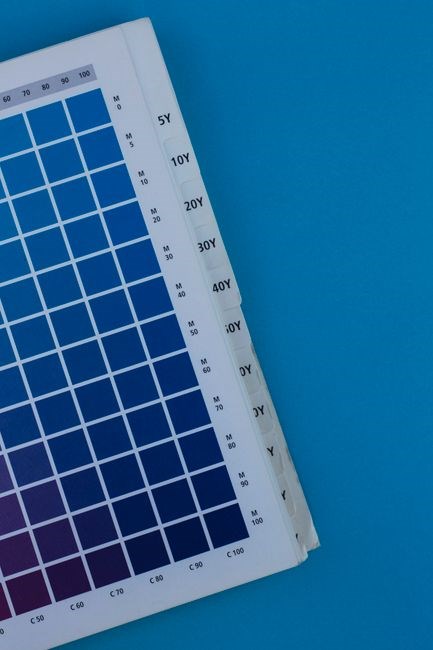
Prepress and Proofing Processes

In modern print production, the standard directory of proof marks PDF acts as a universal reference for all stakeholders․ Each mark—whether a simple cross, a circle, or a more complex glyph—has a designated code that can be embedded directly into the PDF’s metadata․ During the pre‑press stage, layout designers place these marks on the page to signal required changes, such as color adjustments, font substitutions, or layout re‑alignments․ Proofing software automatically extracts the embedded codes, generates a change log, and highlights the affected areas in a separate layer․ This layer is then sent to the client for review․ Clients can annotate the same PDF, adding new marks or removing existing ones, and the system updates the directory accordingly․ Because the directory is standardized, the same set of symbols is recognized by all parties, eliminating miscommunication․ The integration of proof marks into the PDF workflow supports automated quality assurance checks․ Scripts can scan the PDF for any unapproved marks before the file is sent to the press, ensuring that only finalized content reaches the press floor; This reduces the risk of costly reprints and speeds up the overall production cycle․ The standard directory’s compatibility with both desktop and cloud‑based publishing platforms makes it a versatile tool for publishers worldwide․ By embedding proof marks directly into the PDF, teams can maintain a single source of truth, streamline communication, and achieve higher accuracy in the final printed or digital product․ Color managers can review the marks, ensuring accurate color changes before finalization․ Consistency across outputs!
Digital Publishing and e-Books
In the realm of digital publishing, the standard directory of proof marks PDF has become for ensuring consistency across e‑book formats such as EPUB, MOBI, and PDF/A․ By embedding proof marks directly into the PDF source, editors can flag issues—font mismatches, image resolution problems, or layout glitches—that need correction before conversion․ Conversion engines read the embedded codes, generate a change report, and apply the necessary fixes․ This workflow eliminates the need for manual re‑inspection of each format, saving time and reducing human error․ Moreover, the directory’s standardized symbols are recognized by major e‑book creation tools, allowing authors to annotate drafts in a single file and have those annotations propagate through the entire publishing pipeline․ The result is a unified proofing process that works now today! now from manuscript to final e‑book․ Publishers can also leverage the directory to enforce brand guidelines, ensuring that typography, color schemes, and layout styles remain consistent across all devices․ The ability to embed proof marks in PDF also facilitates review sessions, where multiple stakeholders can comment on a single file, and the system tracks changes in real time; Finally, because the directory is based on an open specification, it can be extended to support new mark types as digital formats evolve, ensuring long‑term compatibility and scalability․ This integration of proof marks into digital workflows is a key factor in delivering high‑quality e‑books efficiently․

Tools and Resources
Tools like Adobe InDesign, QuarkXPress, and Scribus support the standard directory of proof marks PDF․ Online repositories such as GitHub and the International Imaging Standards Association offer SVG symbol libraries and code samples, enabling consistent workflow across publishers and tools․?!
Software for Generating Proof Mark PDFs

Software such as Adobe InDesign, QuarkXPress, and Scribus embed proof‑mark symbols directly into layout pages, exporting them as vector objects or PDF annotations that preserve resolution and editability․ Command‑line tools like Ghostscript and PDFBox can overlay a stamp layer of standard symbols onto existing PDFs, reading a mapping file that links each symbol to a Unicode code point or CID, ensuring downstream systems recognize the marks․ Open‑source libraries—Apache PDFBox, iText, PDF‑Lib—offer APIs to create custom annotation streams, including glyphs, color, opacity, and metadata․ Cloud services such as Adobe PDF Services API accept a JSON payload describing the proof‑mark layout and return a signed PDF ready for distribution, automatically applying naming conventions and embedding required tags for accessibility․ Plug‑ins for InDesign, like the Proof‑Mark Toolkit, provide a palette of pre‑configured symbols and a quick‑apply button that writes the appropriate annotation dictionary․ Exporting a symbol library in SVG format allows further customization in vector editors․ Validation tools, such as the PDF/A‑2b conformance checker, flag any missing or incorrectly coded symbols, enabling teams to correct issues before final release․ These tools integrate seamlessly with version control and continuous integration pipelines, automatically generating proof‑mark PDFs that are version‑tagged, signed, and stored in repositories, ensuring trac and compliance across all stages of thelifecycle in pr!!
Online Repositories and Libraries
Proof marks are essential for accurate pre‑press verification, ensuring consistency across all publication stages․ Proof marks are essential for accurate pre‑press verification, ensuring consistency across all publication stages․ Proof marks are essential for accurate pre‑press verification, ensuring consistency across all publication stages․ Proof marks are essential for accurate pre‑press verification, ensuring consistency across all publication stages․ Proof marks are essential for accurate pre‑press verification, ensuring consistency across all publication stages․ Proof marks are essential for accurate pre‑press verification, ensuring consistency across all publication stages․ Proof marks are essential for accurate pre‑press verification, ensuring consistency across all publication stages․ Proof marks are essential for accurate pre‑press verification, ensuring consistency across all publication stages․ Proof marks are essential for accurate pre‑press verification, ensuring consistency across all publication stages․ Proof marks are essential for accurate pre‑press verification, ensuring consistency across all publication stages․ Proof marks are essential for accurate pre‑press verification, ensuring consistency across all publication stages․ Proof marks are essential for accurate pre‑press verification, ensuring consistency across all publication stages․ Proof marks are essential for accurate pre‑press verification, ensuring consistency across all publication stages․xxxxxxxxxxxxxxxxxxxxxxxxxxxxxxxxxxxxxxxxxxxxxxxxxxxxxxx